
 6 min read
Your CRO walks into a meeting and asks, “Which of our sales reps are actually productive?”
Simple question, right? Wrong.
This one question launched us on a journey that reshaped how we think about sales productivity. And trust me, we made plenty of mistakes along the way. This is your chance to learn from them, too.
The productivity paradox we discovered
Here's what we found when we dug into our sales productivity metrics: death by 1,000 metrics. Literally.
Our sales reps were drowning in data. We'd run a sales time survey, and the feedback was brutal. Too many metrics. Dashboard overload. No consistency across regions. Some teams tied metrics to performance management, others didn't. It was chaos disguised as data-driven decision-making.
You know that feeling when you open Google Sheets and see 47 different dashboards, each tracking something slightly different? That was us. Scrappy and entrepreneurial, sure. But also completely inconsistent.
The worst part? We're a data-driven company. We help 23 jobseekers find jobs every minute. We operate in 60+ countries with over 3,000 enterprise and inside sales personnel. We should've had this figured out.
But we didn't. And that's okay, because what we learned next changed everything...
Starting with first principles (not best practices)
When we decided to tackle this properly, we took a step back. Way back. We asked ourselves: what does a sales rep actually do during a quarter that drives revenue?
We approached this two ways:
- We talked to our leaders and reps about what was happening on the ground.
- We looked at what should be happening based on industry research and expert insights.
The framework that emerged was surprisingly simple.
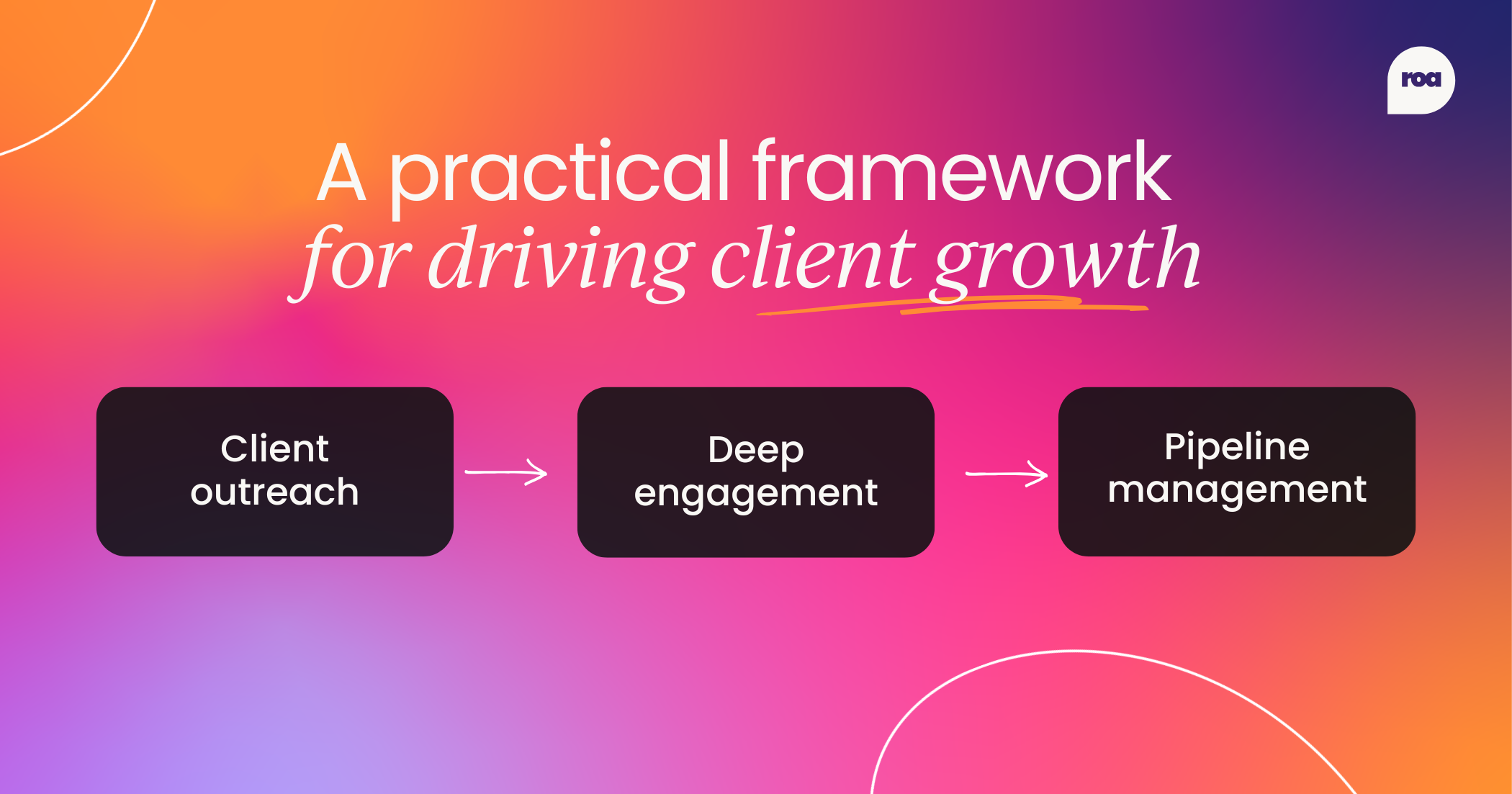
Three main buckets of activities:
- Client outreach: You need to connect with your clients. Makes sense, right? But how you measure this matters.
- Deep engagement: Once connected, you need meaningful conversations. Not just calls for their own sake, but actual engagement that moves things forward.
- Pipeline management: Generate opportunities, manage them, close them. The fundamentals haven't changed, but how we track them has.
We started with about 20 potential metrics. Through historical analysis, we narrowed it down to four that actually correlated with quota attainment and client performance.
Here's what we discovered: top reps generate 34% more pipeline than average performers. But it wasn't just about quantity. Clients who received multiple touchpoints saw significantly higher revenue uplift. The magic was in consistent, quality engagement across the entire book of business.
The global alignment challenge
Now comes the hard part. How do you implement standardized metrics across a global organization that's used to doing things its own way?
We followed the 80/20 rule. Here's what we mandated globally:
- The same four core metrics for every market and segment
- Standardized guidelines and processes
- Centralized dashboard and reporting
- One single source of truth
But we left room for flexibility:
- Market-specific targets based on local nuances
- Regional teams could adapt implementation approaches
- Integration with existing regional revenue reporting rhythms
The metrics that actually moved the needle
After all our analysis, we landed on a surprisingly clean framework:
Call volume and book coverage: It's not just about making calls. Are you covering your entire book? A mid-market rep's expectations differ from an enterprise rep's, but everyone needs systematic coverage.
Pipeline generation and management: How much pipeline are you creating? More importantly, are you actively managing it? Dead pipeline is worse than no pipeline.
Activity-to-outcome correlation: This was the game-changer. We stopped looking at activities in isolation and started tracking how they flowed through the funnel.
The power wasn't in individual metrics, but in how they told a story together. Think of it as a productivity funnel:
- Calls at the top
- Book coverage in the middle
- Pipeline generation flowing through
- Active opportunity management at the bottom
Miss any level, and the whole thing breaks down.
How to use this...
Start at the top: Are your reps driving sufficient call volume? But volume alone means nothing.
Move down: How much of that volume translates to book coverage? You might have reps making hundreds of calls to the same few clients. That's activity theater, not productivity.
Next level: Does client engagement generate pipeline? You need proposals, demos, qualified opportunities flowing from those conversations.
Bottom line: Are you managing that pipeline actively? Generating opportunities is great. Letting them stagnate isn't.
This funnel view revealed patterns we'd missed before. Reps with great call volume but poor book coverage. Others with excellent coverage but low pipeline generation. The funnel showed us exactly where to coach.
 Rebecca Stewart
Two mistakes you must avoid
1) When technology becomes your biggest enemy
Here's where things got messy. Really messy.
We launched in April. Initial uptake was fantastic. Call volumes shot up in April, May, June. Leadership was thrilled. Then we noticed something terrifying.
Only 50-60% of calls were being mapped by our system.
Reps were doing the work, but the system wasn't capturing it. Trust evaporated overnight. Why should reps care about metrics if the dashboard doesn't reflect reality? Activity plummeted. Leaders stopped holding teams accountable.
It took us four months to fix the technical issues. Four months of lost credibility.
The lesson? Make sure your tech stack is bulletproof before launch. Test everything. Then test it again.
2) The communication vacuum trap
Our second major mistake was equally painful. We did extensive pre-launch communication. Town halls, office hours, e-learning modules, active Slack channels. Then we launched and... stopped.
That vacuum filled with noise. Confusion. Misinterpretation.
Some reps started gaming the metrics, focusing on hitting numbers rather than driving revenue. Different leaders created their own pipeline processes. The standardization we'd worked so hard to achieve started fracturing.
The fix required going back to basics:
- Clear weekly rhythms: Friday rep reviews, Monday manager reviews
- Standardized meeting agendas incorporating productivity metrics
- Continuous reinforcement in town halls and one-on-ones
- Regular communication about why these metrics matter
You can't just launch and leave. Adoption requires constant nurturing.
 Revenue Operations Alliance
Lessons for your productivity journey
Whether you're a startup finding your first metrics or a mature organization refining your approach, here's what we learned:
- Start with first principles: Don't copy what works elsewhere. Understand your unique sales process and build from there.
- Technology readiness is non-negotiable: Your tech stack needs to be rock-solid before launch. Period.
- Communication never stops: Pre-launch, launch, post-launch. Keep the drumbeat steady.
- Balance global standards with local flexibility: Find your 80/20 split and stick to it.
- View metrics as a connected system: Individual KPIs tell you what. Connected funnels tell you why.
- Listen to your sales team: They're your customers. Their feedback is gold.
 Doyle Slayton
Your next steps
The question isn't whether you need a productivity framework. The question is whether you're ready to commit to doing it right. Because half-measures create more problems than having no framework at all.
Your sales team deserves metrics that actually help them succeed. Your leadership deserves visibility that drives real decisions. And you deserve a framework that makes your job easier, not harder.
Start with first principles. Build thoughtfully. Launch when ready. Iterate constantly.
That's how you transform sales productivity from a necessary evil into a competitive advantage.


Revenue operations alliance insider
Thank you for subscribing
Level up your revenue operations alliance career & network with revenue operations alliance experts.
An email has been successfully sent to confirm your subscription.
 Follow us on LinkedIn